● SAN ANTONIO · Project Cool 2026 Surpasses Goal, Collecting 490 Fans for San Antonio Seniors● AUSTIN · New World screwworm in Texas: New cases detected● FORT BEND COUNTY · Aerial begins in Fort Bend County after mosquito population grows to become public health emergency● HOUSTON · Former South Texas teacher turns family tragedy into children's book series fighting obesity and diabetes● BROWNWOOD · Local Independence Day/Weekend Events● BRYAN · Your flight may cost more than your neighbor's: Texas A&M expert explains why● LAREDO · Laredo mayor to honor rescuers who responded to Loop 20 plane crash● LUBBOCK · 'Choosin' Texas' singer Ella Langley coming to the United Supermarkets Arena in October● SAN ANTONIO · Project Cool 2026 Surpasses Goal, Collecting 490 Fans for San Antonio Seniors● AUSTIN · New World screwworm in Texas: New cases detected● FORT BEND COUNTY · Aerial begins in Fort Bend County after mosquito population grows to become public health emergency● HOUSTON · Former South Texas teacher turns family tragedy into children's book series fighting obesity and diabetes● BROWNWOOD · Local Independence Day/Weekend Events● BRYAN · Your flight may cost more than your neighbor's: Texas A&M expert explains why● LAREDO · Laredo mayor to honor rescuers who responded to Loop 20 plane crash● LUBBOCK · 'Choosin' Texas' singer Ella Langley coming to the United Supermarkets Arena in October
Photo: KSAT 12
GeneralSan Antonio
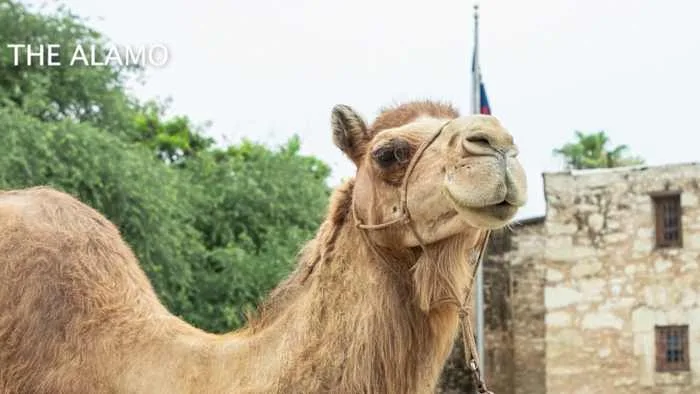
Camels return to the Alamo for early World Camel Day celebration
Camels were brought to the Alamo ahead of World Camel Day to highlight a little-known chapter of Texas history about using camels to move supplies across the Southwest.
By KSAT DIGITAL TEAM·3 hr ago
Share
Visitors to the Alamo got an early look at a little-known chapter of Texas history this weekend as the Texas Camel Corps brought camels to the historic grounds ahead of World Camel Day.
The event highlighted the U.S. Army's 1850s experiment with using camels to move supplies across the Southwest.
Camels were considered useful for the region because they could withstand extreme heat and required far less water than horses or mules.

Comments