
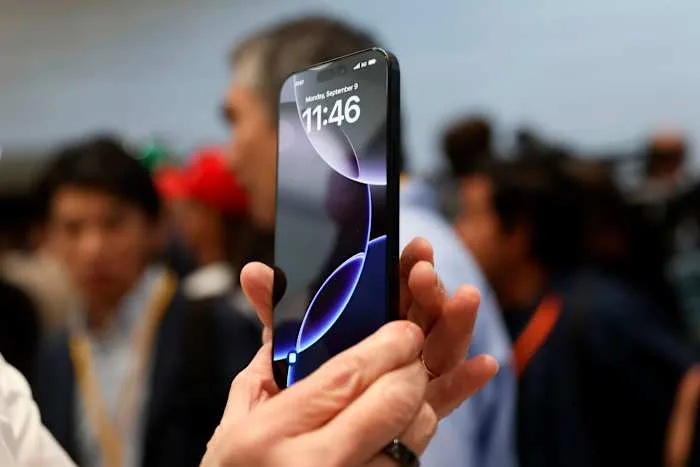
The launch of Apple's iPhone in 2007 may have played a larger role in declining U.S. birth rates than previously thought, according to new research.
A study published this month by the National Bureau of Economic Research (NBER) found the spread of the iPhone could explain between 33% and 52% of the decline in fertility rates among women ages 15 to 44 between 2007 and 2011.
Researchers said the strongest effects were seen among people under 24. The research examined Apple's exclusive partnership with AT&T from 2007 through early 2011, which allowed economists to compare birth rates in areas with greater access to the iPhone against areas with less access.
Comments